
A medical emergency rarely gives a business time to get organized. A guest collapses in a hotel lobby. A resident at a senior living community has trouble breathing after dinner. A warehouse employee shows signs of heat illness during a July afternoon shift. In those first few minutes, the quality of the response depends on more than the nearest ambulance.
It depends on preparation.
For property owners, facility managers, care operators, and event leaders, emergency readiness is not just a binder on a shelf. It is the daily system behind fast decisions, trained staff, clear roles, safe equipment, and reliable communication with responders. When that system is weak, small delays can turn into serious risk for the person in crisis and for the organization responsible for the setting.
The First Minutes Shape the Outcome
Most businesses think about emergency care as something that begins when 911 is called. In practice, the response begins the moment someone notices a problem.
That first staff member has to recognize warning signs, call for help, direct someone to meet responders, locate an AED, control a crowd, and document what happened. In a calm training room, those tasks sound simple. In a noisy restaurant, a packed event space, or a senior community hallway at 2 a.m., they become much harder.
This is where strong medical direction makes a practical difference. It gives teams clear protocols before the pressure hits. Employees know when to start CPR, when to use an AED, when to administer approved emergency medications, and when to escalate concerns. They are not trying to invent a plan while a patient, resident, guest, or coworker waits.
Organizations that rely on public-facing spaces also carry a reputational stake. A poor emergency response can damage trust quickly. Families, guests, tenants, and employees remember whether people acted with confidence or confusion.
Oversight Turns Training Into a Working System
One annual CPR class is useful, but it does not create a full emergency response program. Staff change. Equipment expires. Floor layouts shift. New risks appear during flu season, summer heat, winter storms, large events, or busy travel periods.
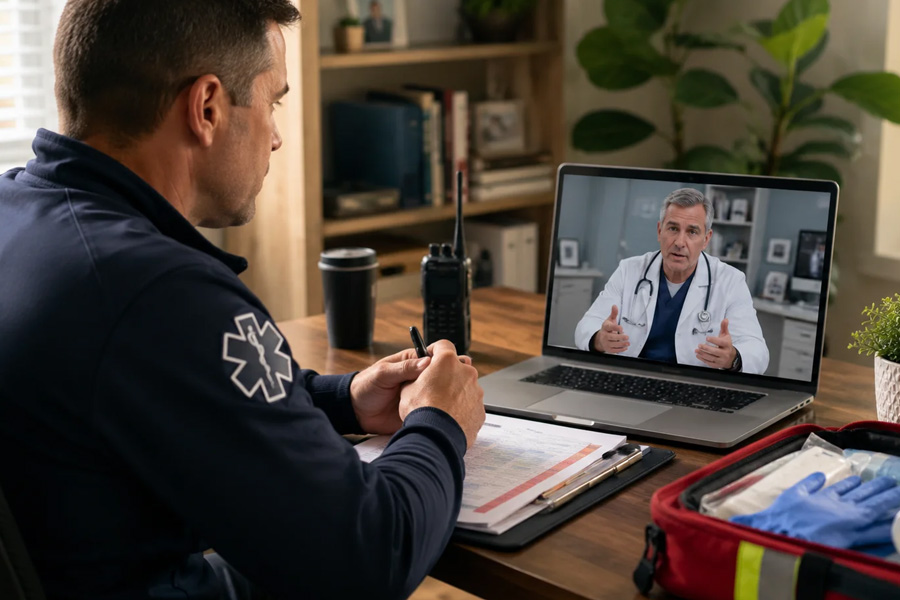
That is why many organizations need clinical leadership connected to real operations. Professional emergency medical services oversight can help align protocols, staff readiness, medical review, and response standards so emergency care is not left to guesswork.
Protocols should match the setting
A luxury hotel, assisted living community, construction site, school campus, and sports venue do not face the same risks. A venue hosting 2,000 people on a hot weekend may need a different response plan than a small office building with twenty employees.
Good oversight accounts for the environment. It asks practical questions: Where are AEDs located? Who has access after hours? Which staff members are trained on each shift? How quickly can responders reach the patient? Are there locked doors, elevators, gates, or parking challenges that could slow care?
These details are not paperwork. They affect minutes.
Equipment needs routine attention
AED pads expire. Oxygen supplies run low. Emergency bags get moved. Batteries fail. Medication storage rules change. A response plan that looked solid six months ago can become unreliable if no one checks it.
For business owners, the cost of basic readiness is often modest compared with the risk of failure. Replacing expired AED pads or retraining a night-shift team costs far less than defending a preventable delay during a medical emergency.
Better Prepared Teams Protect People and Operations
A strong emergency program supports two goals at once: better care for the person in distress and better protection for the organization.
When staff know what to do, they act faster. When documentation is consistent, leadership can review what happened. When protocols are current, teams avoid outdated practices. When incidents are reviewed by qualified medical leadership, organizations learn from close calls instead of repeating them.
This matters most in settings where vulnerable people gather. Senior living residents may face cardiac, respiratory, fall, stroke, or medication-related emergencies. Hotels and resorts may serve travelers with unknown health histories. Workplaces may see injuries, allergic reactions, heat stress, or sudden illness. Event spaces may deal with crowding, alcohol, weather exposure, and delayed responder access.
No plan removes every risk. But a prepared system reduces confusion when seconds matter.
Readiness Is a Management Responsibility
Emergency response should not depend on the one employee who “usually handles it.” That person might be off duty, overwhelmed, or unavailable. Safer care comes from a system the whole organization can follow.
For owners and operators, the next practical move is to review the gap between the written plan and the real response. Walk the property. Check the equipment. Ask staff what they would do first. Review the last incident. Look at seasonal risks before they arrive.
The ambulance matters. So do the people, protocols, and decisions in motion before it gets there.
You may also like
-
A Calmer Daily Routine Starts With the Right Care at Home
-
Why Travelers and Historians Are Still Captivated by Jack the Ripper Tours?
-
Pure Enjoyment and Luxury Escapes by Private Jet Trips
-
Is the Flying Fox Zipline Ride in Singapore Good for Kids?
-
A Practical Guide to Yacht Birthdays and Dinners in Singapore Done Right